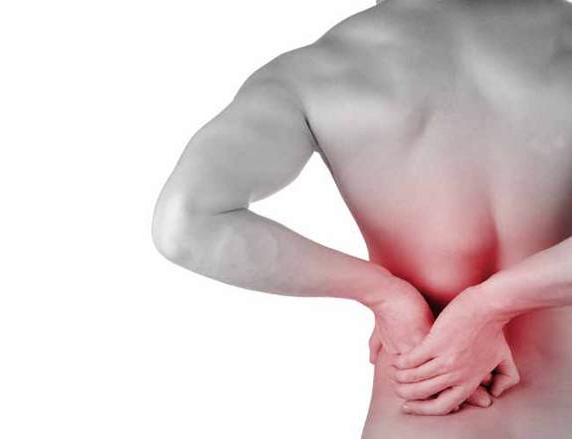
When you’ve hurt yourself and you are lying on the sofa without any chance of being able to move or do your usual routine of getting up and going for a run, going to the gym, hitting the yoga mat or whatever your movement practice is - its tough. Aside from the physical challenges facing your body as it tries to repair broken tendons, muscle fibres or bones, the mind has a huge role to play in how you approach your injuries and more importantly your recovery.
You’ve been checked out of the treatment room, been told to go home and rest, put your arm/foot/leg up and don’t move it too much. AWESOME you think - time to catch up on some well needed NETFLIX bingeing and endless cups of tea on the lounge. The reality of being at home all day and unable to accomplish simple tasks very quickly outweighs the excitement of a Netflix binge and you find yourself in a funk of stale energy as you sit mindlessly watching the neighbours cat play in your backyard amongst your pot plants (that you can’t even water).
When we get injured we tend to feel sorry for ourselves. Its normal. We are broken. We are vulnerable. We are less than 100% . Like a mis -reated puppy you sit with your tail between your legs and not ready to fight or push as you don’t quite understand how you can muster the strength to be powerful or worse still, trust yourself that you could do anything without feeling the sting of pain or reminder of your incapacitated state.
So gearing yourself up for focus in a recovery process should involve getting your mind ready to be able to handle the challenges that being slightly immobile could entail. It’s not easy when you are facing 12 weeks of recovery before you can move freely again to focus on the positive. But thats precisely why its harder - because you have to do the work. In preparing for this, there are some stages of recovery that you should understand that go hand in hand with the physical therapy that you are about to endure.
Many sports injury recovery publications cite some consistent patterns of mental preparedness when it comes to dealing with injury recovery. Its about taking action and taking control of things that you can control that will help to determine how well you recover. Like anything, if you lay out a plan then you have a blueprint that you can use to support yourself.
Accept Responsibility - yep its all on you! Not accepting fault or blame but accepting that you are now compromised and that you need commit to the program of recovery. It’s not about pushing heavier anymore, its about slowly working within your limits to achieve part of what you could before and constantly working towards that ultimate end goal of being back to what you once did. It’s about your mindset. I’m responsible for this recovery and no-one else. You do you.
Educate Yourself About Your Injury - Not knowing why something is why it is makes it a big demon of misery. Take action - get knowledge and understand precisely what it is that you have going on. You’ve got time now - so read up on yoru injury and the myriad of ways to treat it and discuss these with your medical practitioner - ask questions, get educated, understand the anatomy, arm yourself with the knowledge.
Garner a Positive Attitude - this is a big one. It’s so easy to fall into the ‘oh my life is over’ mode. Being positive has so many chemical advantages and these chemical advantages can help to muster your healing network and your immune system to get stuff done. That doesn’t mean don’t have a cry and be upset at your shitty situation - you go right ahead. But do that and get it out and then get on with moving forward. And if your network isn’t being positive - get a new network! Self talk is vital here - keep those words positive and focus on the forward path not the backwards one . If you catch yourself going negative - change that up. Find a way to keep reinforcing that you are positive and moving forward.
Get the Right Support - so vital. Surround youself with not just one practitioner or coach - get a whole crew! You have a primary therapist but get a crew around you. This includes happy supportive people. One of the things we do when we get injured is to lock ourselves off and away from our teammates and our fellow athletes! MISTAKE. Surround youself with the teammates who want you back on court or back on the track training with them. They will help lift your spirits when you are discouraged. Go to training, hang around the locker room, be the first aid guy courtside! STAY CONNECTED. It gives you purpose.
Set Appropriate Goals - Yes you are injured and you can’t lift 100kg anymore. But that make your PRIMARY goal. How close to 100kg can you get again? Keeping goals S.M.A.R.T is important and there has to be a step by step approach that fits in with as huge or as small as you need. If it’s 4 weeks recovery, then set a target of weight bearing by a certain point, and then balancing, then walking, then skipping and then you will be back to jumping. Every journey starts with a first step. And for god’s sake write them down! Be clear about your goals and have them on a board so you can mark them off - like a kid counting days to a birthday - it keeps you motivated.
Do What You Can (maintain your fitness) - Be creative! So you’ve done an ankle - doesn’t stop you from using your arms. If you have capacity in one area, then train that area. Again, go to the gym, commit to a program of recovery and keep those good habits. Show up every day for your rehab. So you can’t do a push up - straight arm strength. You can’t press - then pull. You can’t throw - then lunge. Get advice and work with someone to do what you can and not focus on what you can’t.
The blueprint to injury recovery is so vital. And the mental preparedness for this is what makes the difference. The physical stuff should be taken care of by your network and your medical crew. And just as you seek out the best people for those roles, seek out the best people to help with your mindset and your mental preparedness. A coach or Captain is often a good place to start. Motivational people will help keep you on track and in step.
Now I am no doyen when it comes to injury management. I’ve seen some pretty amazing people achieve some pretty amazing things and I don’t pretend to be an expert on this. There are so many others out there who rock it much better than I and have lived it. One of them is my Volleyball coach and good mate. Her journey after her serious biking accident a couple of years ago is a real story in how to manage your recovery. Her website has just been published in where she talks about recovery and injury management in a very real and impartial way and has a no punches pulled approach. Its motivational stuff and is very relative to anyone’s approach to mental toughness when it comes to recovery.